Protein 7 min read
Protein Powder Buying Guide
A repeatable method for comparing any two protein powders, from cost per serving to reading a nutrition panel properly.
Published Updated By The Fitness Court
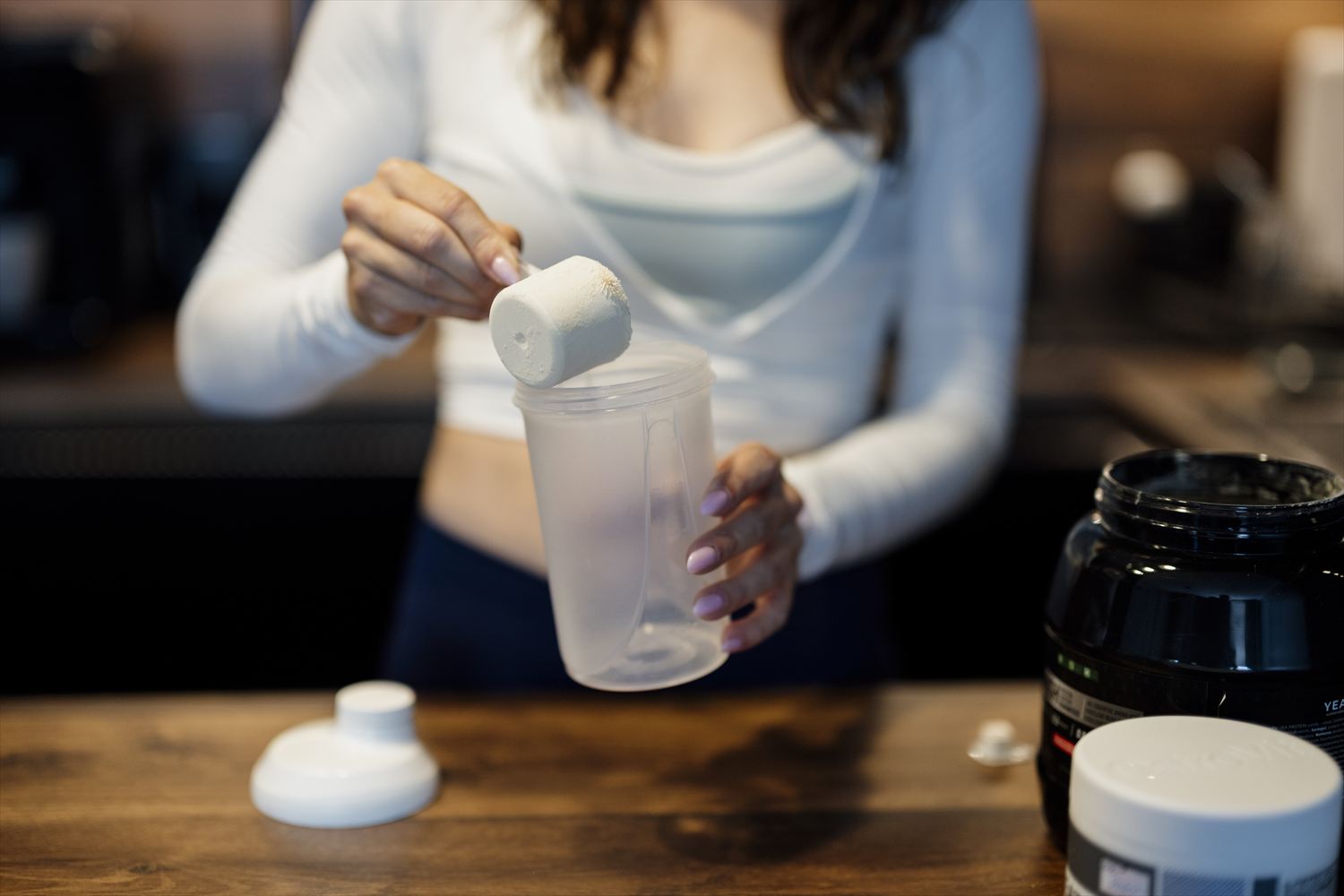
Protein powder labels are designed to be persuasive rather than informative. Here is a method that works regardless of brand: compare cost per serving, read the panel from the bottom up, and treat anything that hides its doses as a product to skip.
Step 1: Work out the real cost
Cost per tub is meaningless. What matters is the cost of 25 g of protein, which normalises products of very different sizes and strengths. The calculation is simple: divide the price by the number of servings, then multiply by the protein per serving, to get the cost of one serving, then divide by 25 and multiply by 25 to compare fairly.
Concretely: a tub at NPR 10,000 with 75 servings at 24 g per serving works out to roughly NPR 1,110 for 25 g of protein. A cheaper-looking tub can turn out to be more expensive per serving.
Step 2: Read the panel from the bottom up
- Check the servings per container and multiply by the serving size to see whether the total weight adds up to the tub weight. A large discrepancy is a red flag.
- Read the ingredients list. If it is eight or nine lines of ingredients that sound like food, that is a sign of a genuine whole-food blend rather than a protein isolate with flavouring.
- Look for "proprietary blend" anywhere. It means individual amounts are hidden, and you cannot tell whether the active ingredients are at a meaningful dose.
- Check the allergen statement. If it does not mention milk or soy, and it is a dairy protein, something is wrong.
Step 3: Compare protein per 100 g, not per scoop
Scoop sizes vary widely — 28 g, 30 g, 32 g — and comparing "24 g per scoop" between two products with different scoop sizes tells you nothing. Protein per 100 g is the comparable number. Concentrate usually sits at 70–80 g per 100 g; isolate at 85–90 g.
Step 4: Decide the format
- Concentrate — cheapest per serving, complete, suits most people.
- Isolate — lighter texture, less lactose, more protein per 100 g, costs more.
- Blend — concentrate and isolate combined, usually the middle ground.
- Casein — slow-digesting, traditionally used overnight.
- Plant-based — comparable results, typically needing a higher daily target.
Step 5: Buy the size you will finish
Powder is not a forever product. Once opened and repeatedly exposed to air and moisture, flavour degrades and nutrients break down faster. A 2–2.3 kg tub is roughly three months of one daily serving, which is the right window for most people. A 5 kg tub is only good value if you genuinely use it that fast.
What to ignore
Ignore proprietary blends, "proprietary matrix" and any panel that lists ingredients without amounts. Ignore testimonials on the label. Ignore claims about "rapid absorption" and "anabolic windows" — they are marketing, not physiology. And ignore any product that promises a specific body change in a specific timeframe.
Questions.
Is the cheapest protein powder the worst one?
How long does an opened tub last?
Should I buy in bulk?
What questions should I ask before buying?
Shop the range
Protein
Products mentioned in this guide that we currently stock.
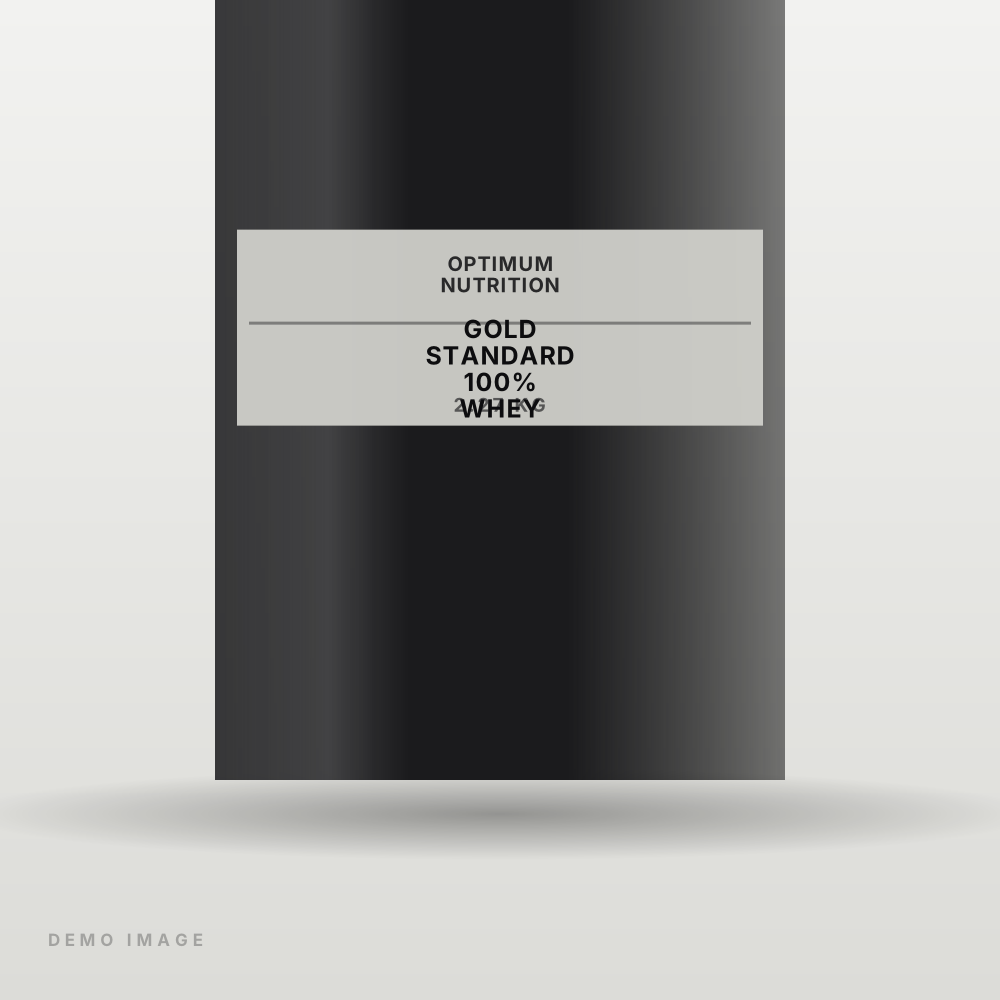
Optimum Nutrition · Whey Protein
Gold Standard 100% Whey
2.27 kg
In stock — order on WhatsApp
Order on WhatsApp
MuscleTech · Whey Protein
Nitro-Tech 2.0
2 kg
In stock — order on WhatsApp
Order on WhatsApp