
Protein 5 min read
Whey Protein vs Whey Isolate
What actually separates concentrate from isolate, how the filtration works, and which one suits which kind of person.
Published Updated By The Fitness Court
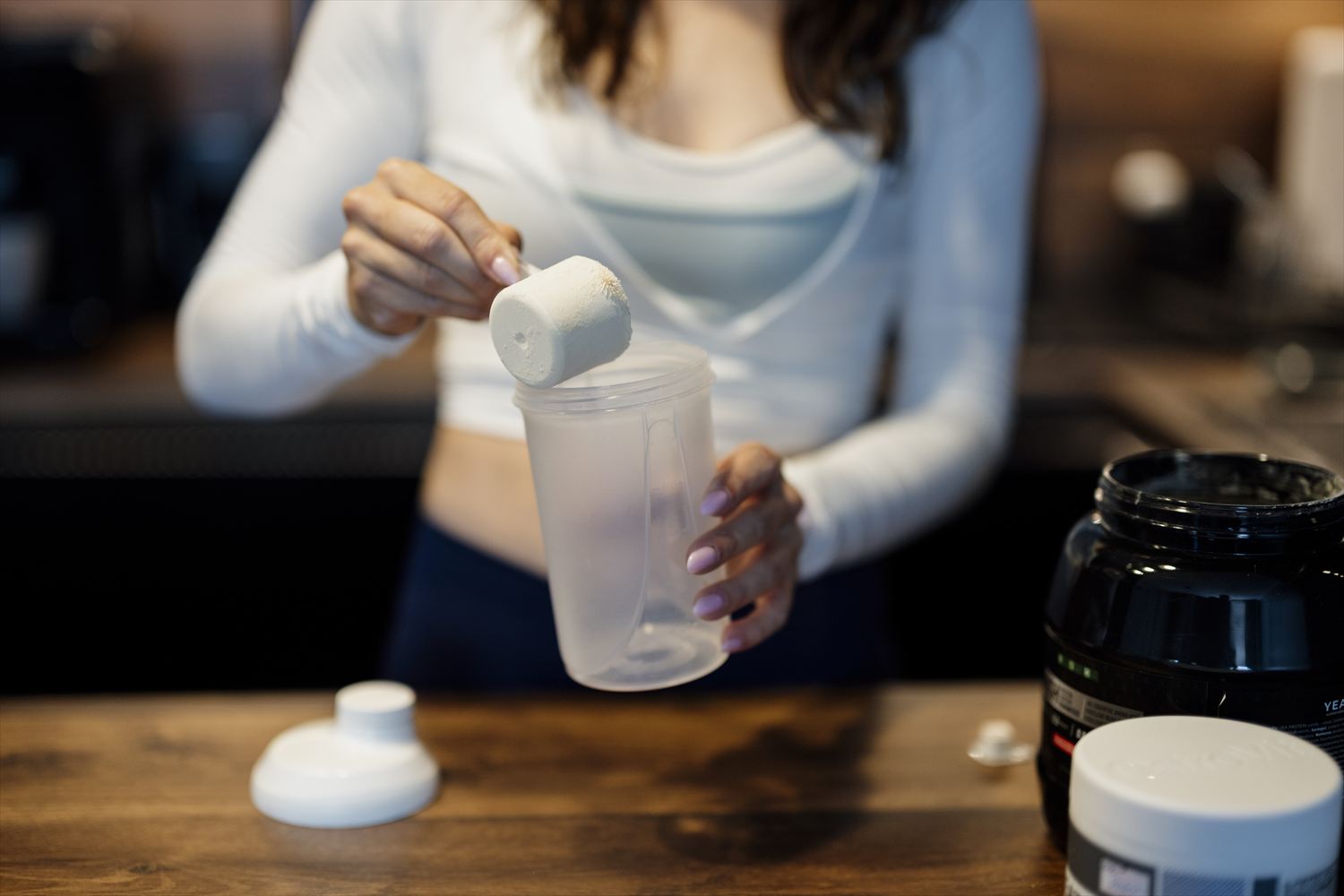
Concentrate and isolate come from the same source — milk. The difference is one extra step of filtration, and that step changes the protein density, the lactose content, the texture and the price. Here is what actually changes and what does not.
Where they come from
Whey is the liquid fraction left over when milk is curdled for cheese. Concentrate is that whey dried, with much of the fat and lactose still in it. Isolate takes the same whey through an additional filtration step — usually cross-flow microfiltration or ion exchange — that removes more of both.
That single extra step is the whole story. Everything downstream — the thinner texture, the lower lactose, the higher protein percentage, the higher price — comes from it.
What actually differs
| Whey concentrate | Whey isolate | |
|---|---|---|
| Protein per 100 g | Typically 70–80 g | Typically 85–90 g |
| Protein per 30 g scoop | 24–25 g | 25–27 g |
| Lactose | Present in meaningful amounts | Much reduced |
| Fat | Low but present | Very low |
| Texture in water | Thicker, creamier | Thin, almost milk-like |
| Price per serving | Lower | Higher |
| Suitability | Most people | People who find concentrate heavy |
Does one build more muscle?
No. Both are complete proteins with essentially the same essential amino acid profile, and both support muscle protein synthesis effectively. The difference in total protein delivered per serving is small — a couple of grams — and is easily made up elsewhere in the day.
This is the single most important thing to understand: the concentrate-versus-isolate debate matters far less than hitting your daily target, training consistently, and eating enough food.
How to choose
- Buy concentrate if you have never had trouble with dairy and you want the most protein per rupee.
- Try isolate if concentrate has always felt heavy, or if lactose tends to cause discomfort.
- Choose isolate if you are tracking calories tightly and want maximum protein per calorie.
- Ignore the decision entirely until your daily protein intake is actually consistent — then revisit it.
The taste difference
Concentrate carries more of the natural milk flavour, which usually reads as creamier and more "dairy". Isolate, having less fat and lactose, tastes thinner and lets the flavouring dominate. This matters more than most people expect — the powder you enjoy drinking is the one you will actually use consistently.
Other formats worth knowing about
Blends combine concentrate and isolate fractions, usually landing in the middle on price and protein content. Casein is a different milk protein entirely: it digests slowly, which is why it is traditionally used as an overnight protein source. Hydrolysed protein is pre-digested whey, is easy to digest, tastes thin, and is generally the most expensive option per serving.
Questions.
Is isolate better than concentrate?
Is isolate worth the extra cost?
How do I know if a product is really isolate?
Can I mix concentrate and isolate?
Shop the range
Whey Protein
Products mentioned in this guide that we currently stock.
Optimum Nutrition · Whey Protein
Gold Standard 100% Whey
2.27 kg
In stock — order on WhatsApp
Order on WhatsApp
MuscleTech · Whey Protein
Nitro-Tech 2.0
2 kg
In stock — order on WhatsApp
Order on WhatsApp