Nutrition 6 min read
How Much Protein Do You Need?
A practical breakdown of daily protein targets by bodyweight and goal, and how to hit them with food and supplements.
Published Updated By The Fitness Court
Protein is the nutrient most people worry about and get slightly wrong in one of two directions: eating far more than they need, or assuming a scoop of powder replaces eating properly. The useful answer is a range, measured against your bodyweight, not a single magic number.
The short answer
If you are training with resistance regularly, somewhere between 1.6 g and 2.2 g of protein per kilogram of bodyweight per day is the range most people should aim for. If you are overweight and looking at fat loss, use your target bodyweight rather than current bodyweight — protein requirements scale with lean mass, not total mass.
Above roughly 2.2 g/kg, the additional benefit is small and the extra food is usually hard to eat. Below 1.6 g/kg, most people are leaving some muscle-building potential on the table.
What that looks like in real food
Protein per 100 g gives you a quick way to estimate. Chicken breast sits around 31 g, eggs around 13 g each, paneer around 18 g, lentils cooked around 9 g, Greek yoghurt around 10 g, and a standard scoop of whey protein concentrate 24–25 g.
- A 70 kg person aiming for 1.8 g/kg is looking at about 126 g of protein a day.
- A chicken breast (100 g) plus two eggs plus a cup of yoghurt already covers roughly 55 g.
- That leaves around 70 g to come from the rest of the day, across three or four meals.
Does it matter when you eat it?
Total daily intake matters more than timing. That said, spreading intake across three to five meals generally feels better and is more practical than a single enormous serving. The "anabolic window" matters far less than the marketing around it suggests — what matters is having protein available throughout the day, including around training.
Muscle protein synthesis responds to per-meal doses in the region of 0.3–0.4 g per kilogram. A 70 kg person is therefore getting most of the benefit from roughly 21–28 g per meal.
When a supplement genuinely helps
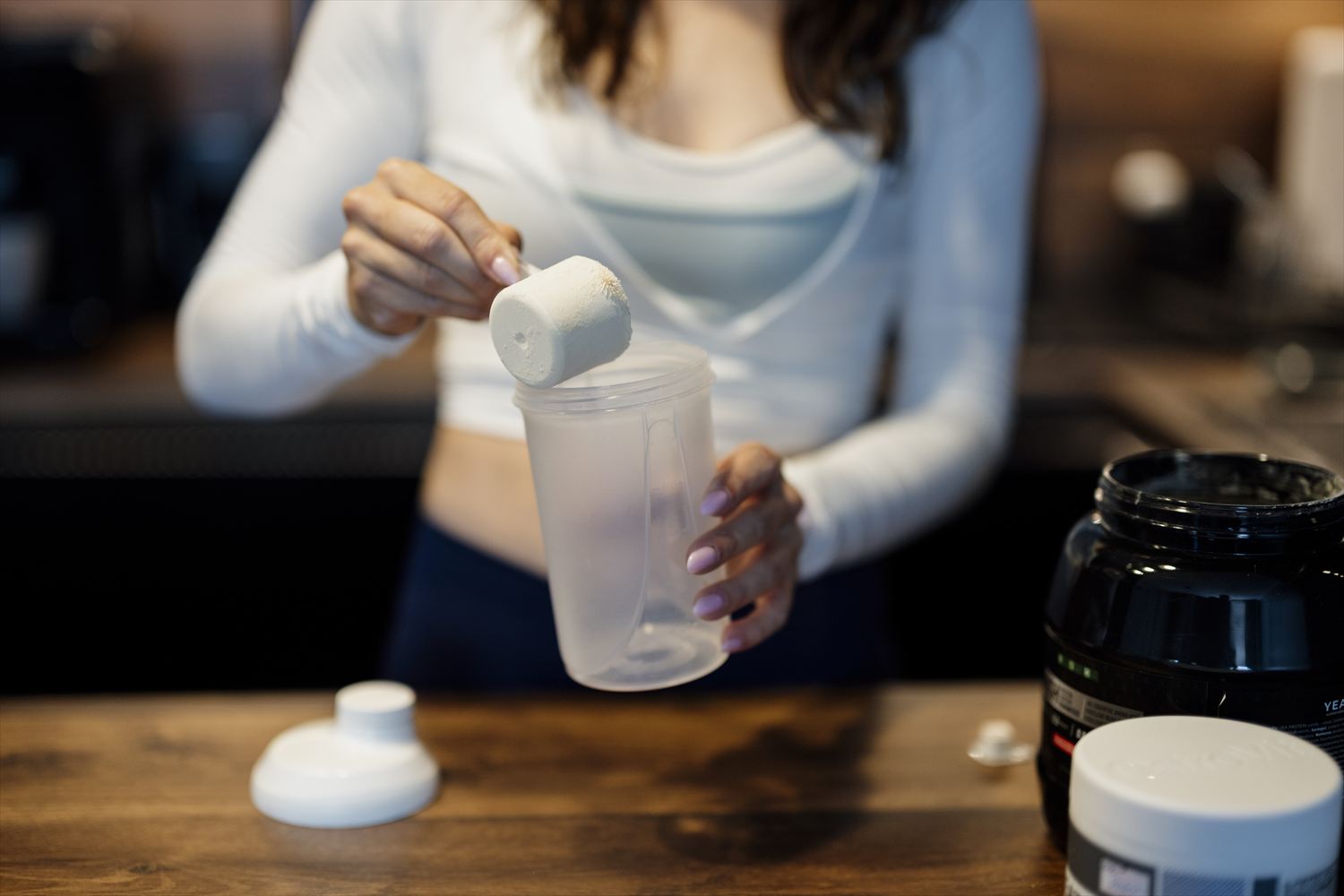
A protein powder is a convenience tool, and convenience is the only real argument for it. It is worth reaching for when your day is genuinely difficult: early training before work, a long commute, a week of eating out, or a training block where your food intake cannot keep up with your calorie target.
It is not worth reaching for when the real problem is that you have not planned meals. A tub of powder will not fix a week of eating whatever is nearest.
- Post-training, when there is no time to cook and you have not eaten for hours.
- During a calorie surplus, when eating enough solid food is genuinely hard.
- When your protein target is high and your day is mostly spent at a desk.
A note on plant-based diets
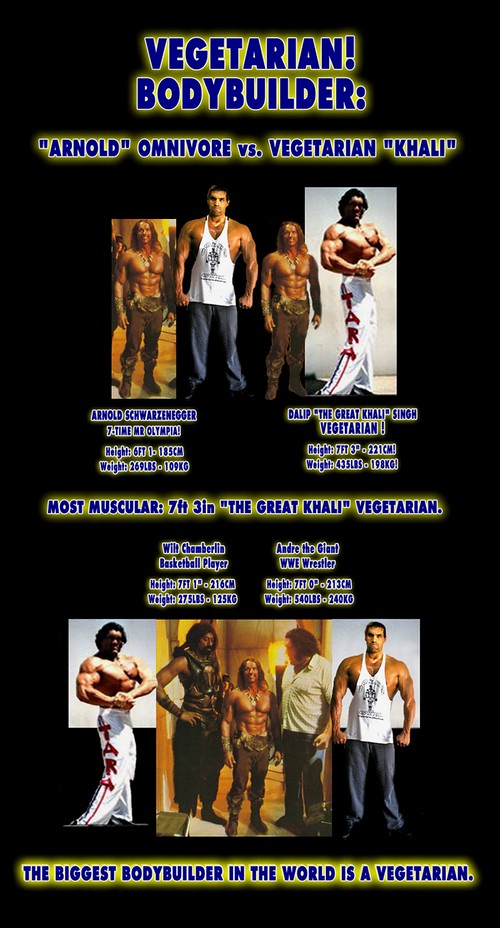
Plant proteins are not inferior, but they are less protein-dense and their amino acid profile differs slightly, so most plant-based eaters need to target the higher end of the range — closer to 2.0–2.2 g/kg — and combine sources across the day. Soy, seitan, lentils and quinoa together cover the amino acids that a single plant source does not.
Questions.
Is 2 g of protein per kilogram too much?
Do I need protein on rest days?
Does protein powder alone build muscle?
Is soy or whey protein better?
Shop the range
Protein
Products mentioned in this guide that we currently stock.
Optimum Nutrition · Whey Protein
Gold Standard 100% Whey
2.27 kg
In stock — order on WhatsApp
Order on WhatsApp
MuscleTech · Whey Protein
Nitro-Tech 2.0
2 kg
In stock — order on WhatsApp
Order on WhatsApp