Basics 6 min read
Best Supplements for Beginners
The short list that is actually worth it in your first year of training, and the long list that is not.
Published Updated By The Fitness Court
The supplement industry is very good at making a beginner feel they are missing something. You are not. There is a short list worth buying, and it is much shorter than the shelf suggests.
Buy these first, if anything
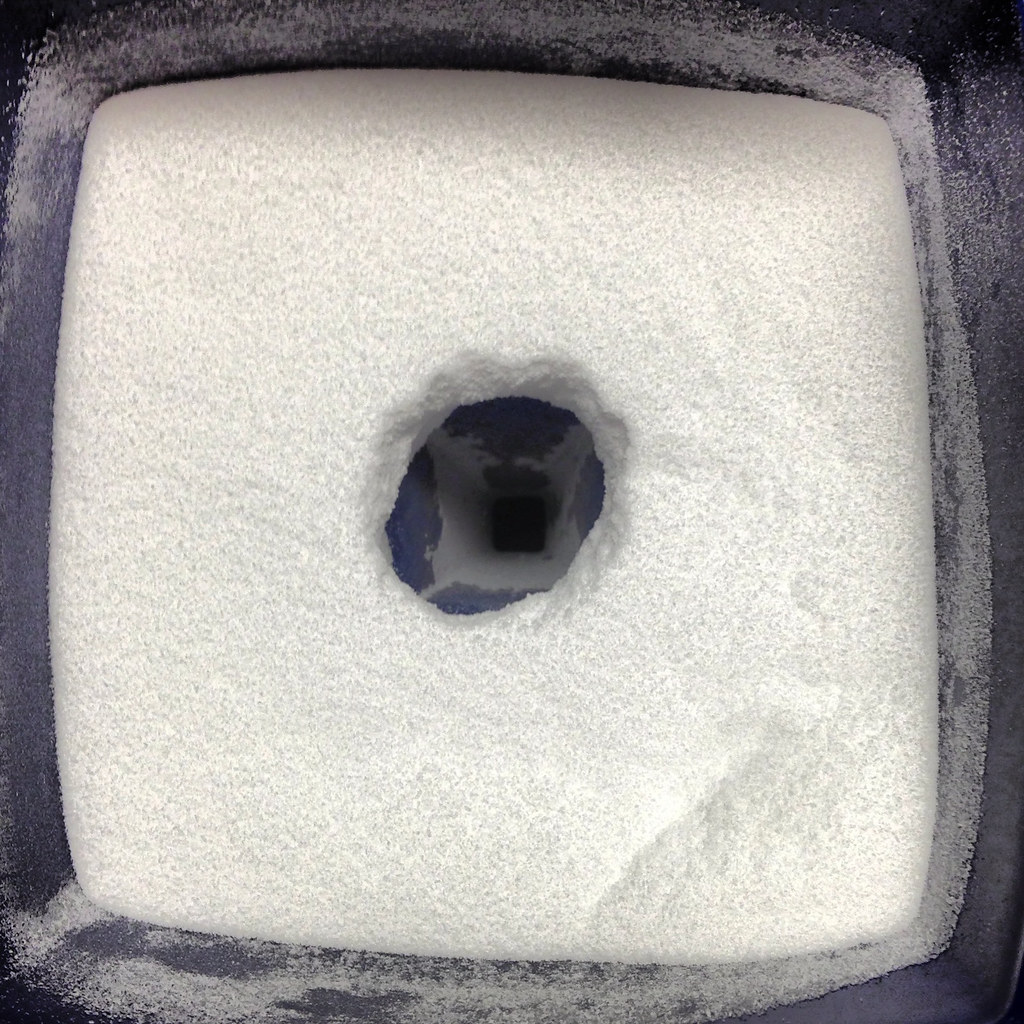
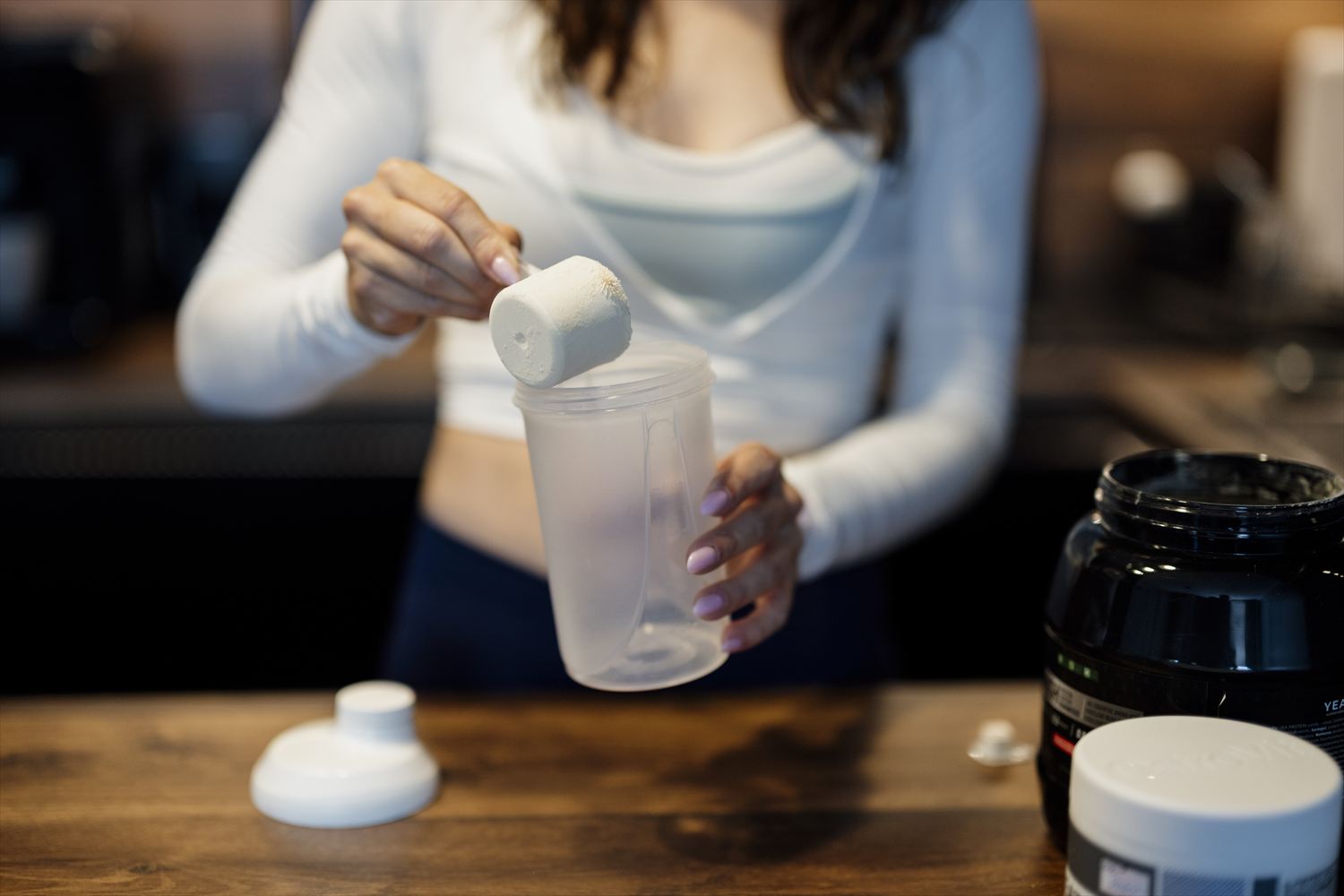
Protein powder — only if your daily protein target is hard to hit from food. This is a convenience purchase, not a performance one.
Creatine monohydrate — 3–5 g daily, the best evidence-to-cost ratio of anything in the category.
A multivitamin — one tablet a day, cheap insurance against a thin diet during a busy training block.
Wait on these
- Pre-workout — a strong coffee does most of the same job. Add this when you are training consistently and want a portable, reliable dose.
- Fat burners — a calorie deficit and consistent training are the entire mechanism. Supplements are optional at best.
- BCAAs — redundant if you are eating enough complete protein, which most people are trying to do anyway.
- Testosterone boosters — the category does not deserve its shelf space.
- Anything claiming to cure, treat or prevent a condition.
What actually drives results
In descending order of impact: showing up to train consistently, progressive overload over months, adequate protein, enough calories, sleep, and then — a long way down the list — supplements.
A beginner who trains four times a week for a year with no supplements at all will outperform a beginner who buys a shelf of them and trains twice a week.
How to spend a supplement budget
If you have a limited amount to spend each month, the order of priority is straightforward. Creatine first, because it is the cheapest and the best studied. Protein powder second, if your diet genuinely cannot hit the target. Multivitamin third, at the cost of a few hundred rupees. Everything else comes after those three are already covered.
A twelve-month plan
- Months 1–3: no supplements at all. Establish food habits and training consistency first.
- Months 3–6: add creatine. Add protein powder if your protein intake is still inconsistent.
- Months 6–12: consider pre-workout if you want it. Add a multivitamin if your diet has been narrow.
- Ongoing: review what you actually use. Stop anything you stopped finishing.
Questions.
What is the first supplement I should buy?
Do supplements matter at all?
Should I take supplements before I have a routine?
Is it a bad sign if I need supplements?
Shop the range
Protein
Products mentioned in this guide that we currently stock.
Optimum Nutrition · Whey Protein
Gold Standard 100% Whey
2.27 kg
In stock — order on WhatsApp
Order on WhatsApp
MuscleTech · Whey Protein
Nitro-Tech 2.0
2 kg
In stock — order on WhatsApp
Order on WhatsApp