Performance 6 min read
Creatine: What Is It?
What creatine monohydrate actually is, what the research shows, and why it is the default recommendation for strength training.
Published Updated By The Fitness Court
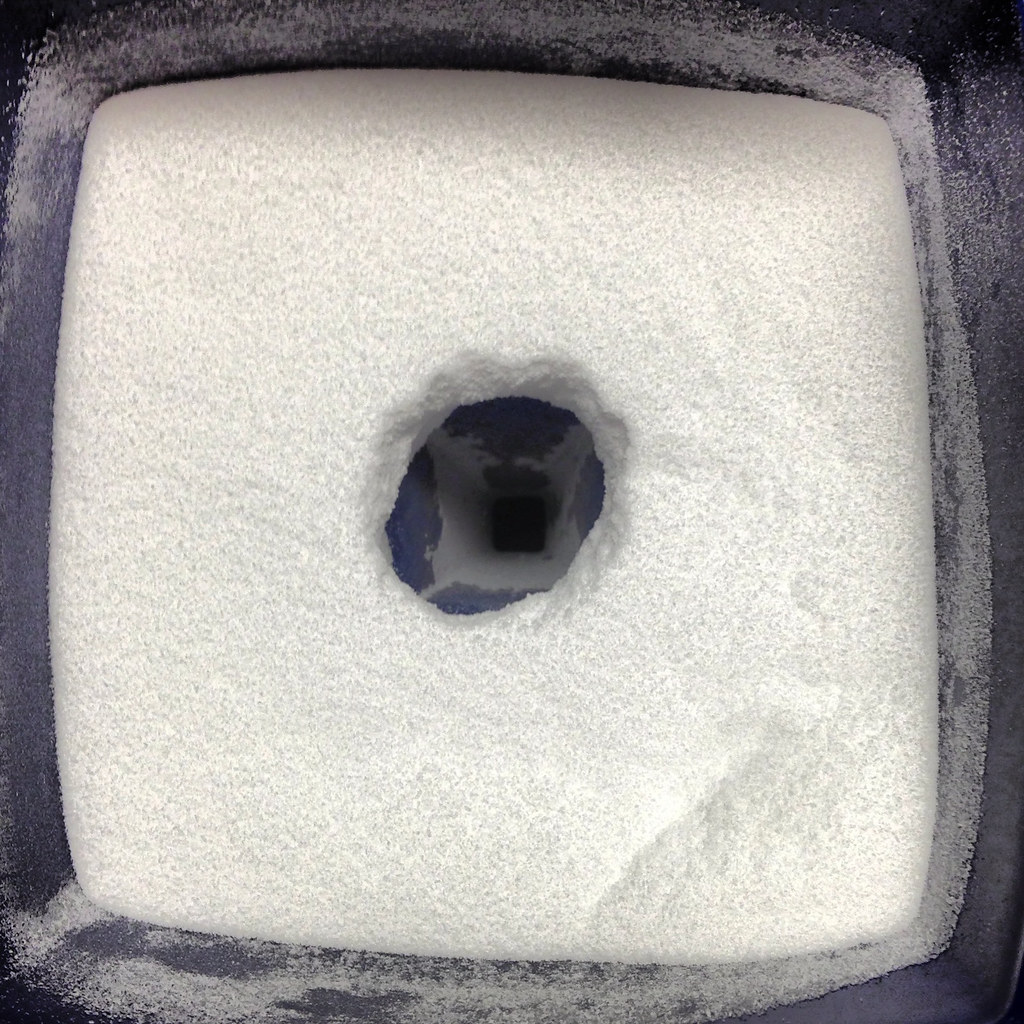
Creatine is a compound made in the body and found in meat and fish. It is not exotic, it is not new, and it is the most heavily researched sports supplement in existence — hundreds of published studies over decades, with remarkably consistent results.
What it does inside muscle
Muscle stores creatine alongside phosphocreatine, a compound used to regenerate ATP — the molecule your body spends to produce short, explosive efforts. More stored creatine means more phosphocreatine, which means slightly more capacity to repeat hard efforts before fatigue sets in.
The effect is not dramatic and it is not instant. Over weeks of consistent use, the practical outcome is typically a small increase in strength and power and a modest improvement in repeated-effort performance.
What the research says
The evidence base is unusually strong for a supplement. Across decades of studies, creatine monohydrate has consistently shown benefits for strength, power and repeated high-intensity efforts, with the largest effects in people who start out with lower levels and in tasks involving short, maximal efforts.
It is worth being precise about what that means. The improvements are real but modest — typically a few percentage points, not transformative. The bigger reason to take it is that it is extraordinarily cheap for how well-studied it is.
Why monohydrate and nothing else
Almost all of the research uses creatine monohydrate. Hydrochlorate, buffered and ethyl ester forms have been marketed as superior, and the research does not support the claim. If a product is trying to justify a substantially higher price, it is selling you a marketing budget.
Side effects, honestly
The main effect people notice is water retention inside muscle tissue, which typically adds one to two kilograms to the scale in the first two weeks. That is not fat and it is not damage.
Gastrointestinal discomfort can occur at high loading doses, which is one reason not to load aggressively. There is no established link between creatine and hair loss — a single 2009 study reported a change in a hormone associated with hair loss, and nothing has replicated it, but if it concerns you, mention it to a dermatologist before starting.
Who should take it
Anyone doing resistance training, particularly with heavy compound lifts, will get the most from it. It is also used widely in team sports and repeated-effort work. It matters less for pure endurance activity, where the benefit is minimal.
Who should check with a doctor first
If you have a kidney condition, high blood pressure that is not well controlled, or you are under ongoing medical care, speak to a doctor before starting. It is also worth a conversation if you take regular medication, since the evidence base for supplement interactions is thinner than people assume.
Questions.
Does creatine make you bigger?
Is creatine safe?
Does creatine cause hair loss?
How long until creatine works?
Is creatine only for bodybuilders?
Shop the range
Creatine
Products mentioned in this guide that we currently stock.
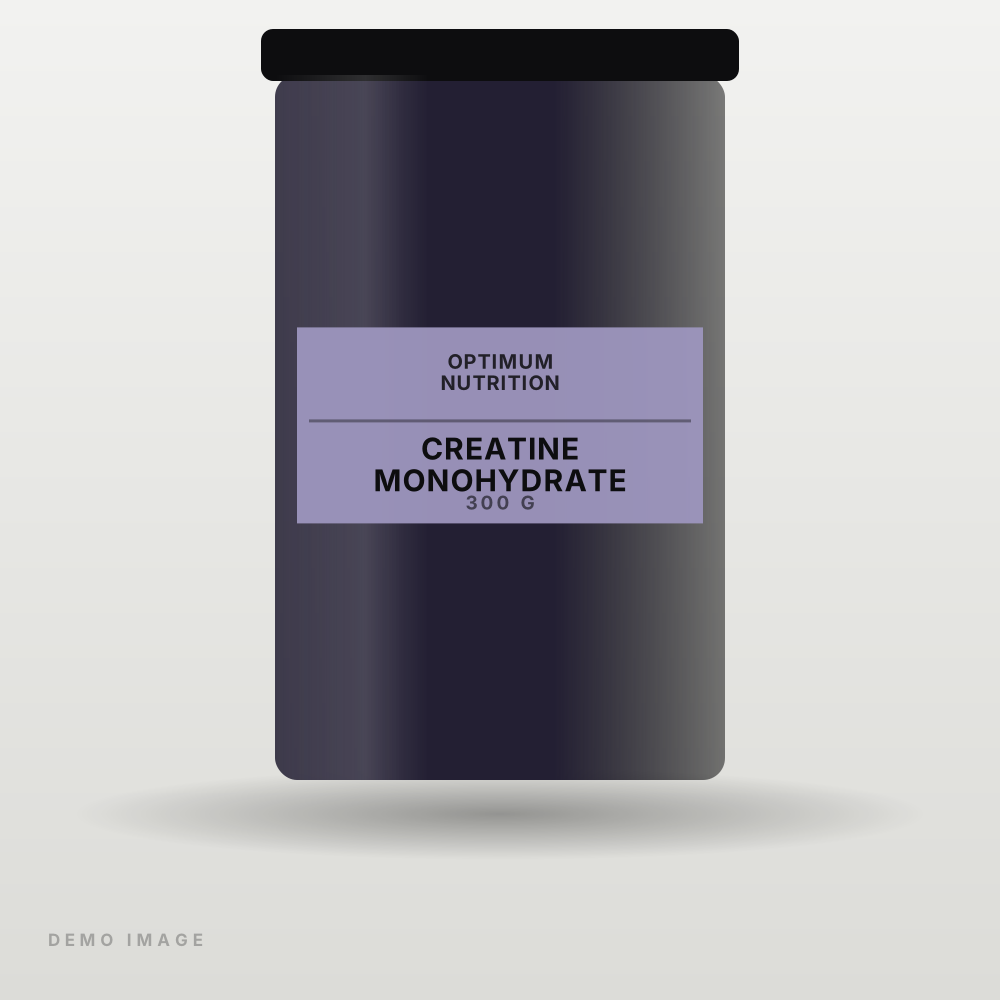
Optimum Nutrition · Creatine
Creatine Monohydrate
300 g
In stock — order on WhatsApp
Order on WhatsApp
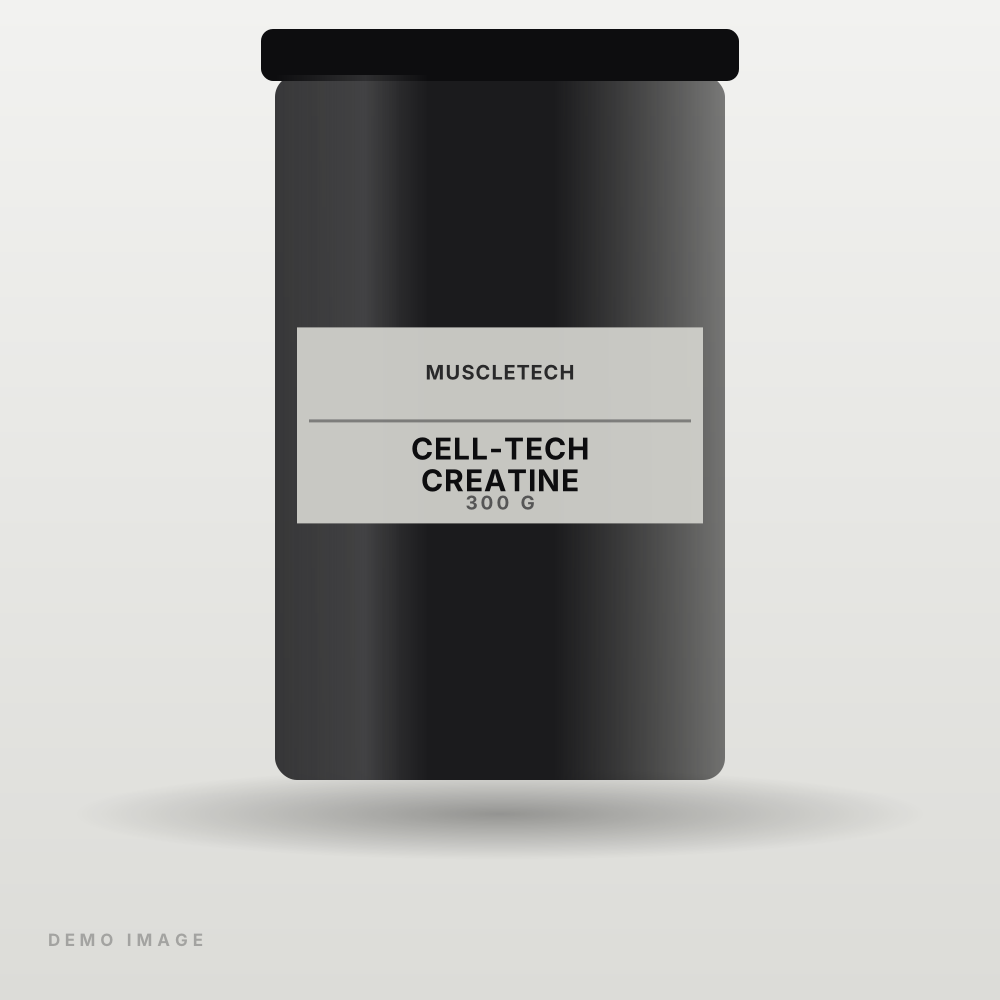
MuscleTech · Creatine
Cell-Tech Creatine
300 g
In stock — order on WhatsApp
Order on WhatsApp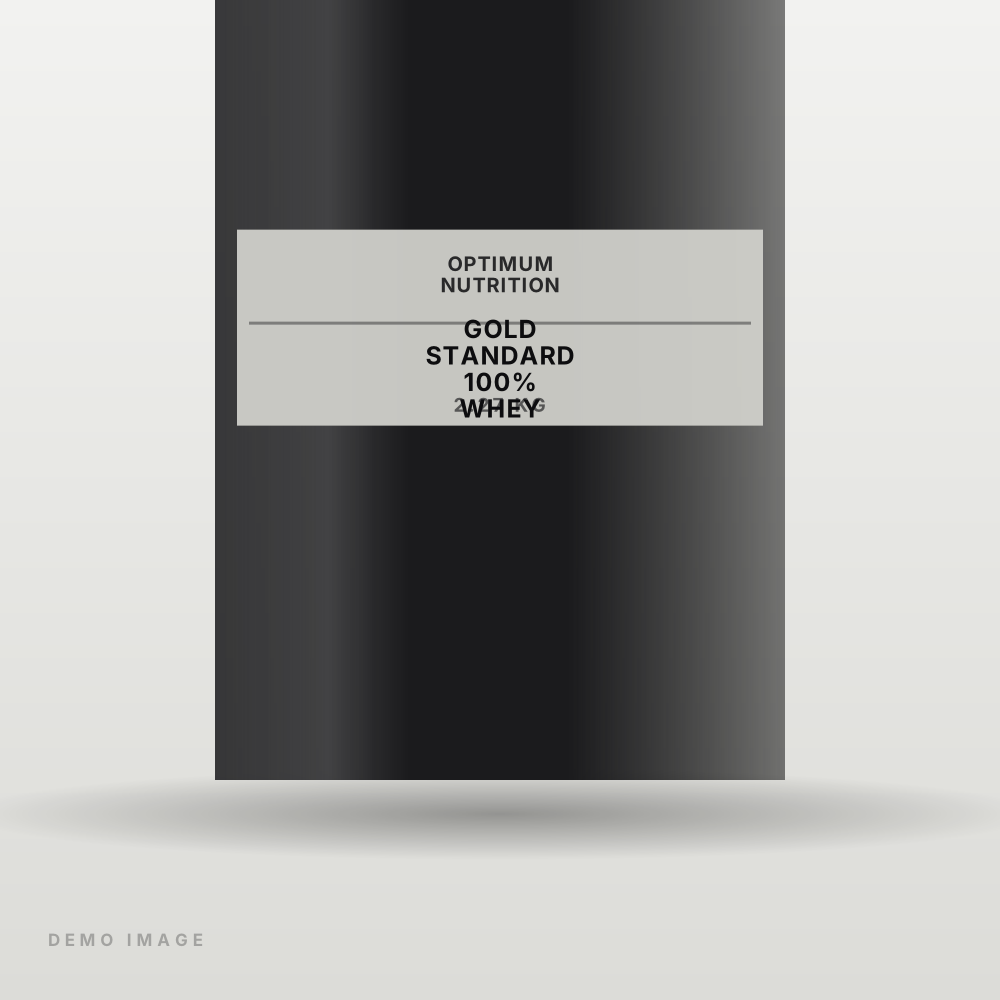
Optimum Nutrition · Whey Protein
Gold Standard 100% Whey
2.27 kg
In stock — order on WhatsApp
Order on WhatsApp