Muscle 6 min read
Whey Protein for Muscle Gain
How whey fits into a muscle gain phase, what it does and does not do, and how much protein you actually need alongside it.
Published Updated By The Fitness Court
Whey is the most popular muscle gain supplement in the world, and for good reason — but a lot of what is written about it overstates its role. Here is an honest account of where it fits and where it does not.
What whey actually does
Whey is a fast-digesting, complete protein. It raises circulating amino acids quickly, which is the signal that muscle protein synthesis responds to. That is genuinely useful, and it is why a shake within a couple of hours of training feels like it does something.
But it is one input among several. Muscle gain comes from progressive resistance training over months, adequate protein across the day, enough calories, and sleep. Whey is a convenience that makes the protein part easier.
How much you need around training
A serving of whey concentrate provides 24–25 g of protein, which sits right in the range most useful for a single feeding. Two servings across the day comfortably covers the per-meal target for most people.
If your total daily protein is already at 1.6–2.2 g/kg from food, a single serving post-training is a convenience rather than a necessity.
Timing
Whey is fast-absorbing, so it fits neatly in the post-training window when you have not eaten for several hours. It is also perfectly reasonable at any other point that helps you reach your daily target.
The idea that there is a narrow 30-minute anabolic window is a persistent myth. The window is measured in hours, not minutes.
Whey versus food
A 100 g chicken breast provides about 31 g of protein. A scoop of whey provides 24–25 g in about 30 seconds. If you can eat the chicken, the chicken is better — more micronutrients, more satiation, considerably cheaper.
Whey earns its place on the days when the chicken is not possible: training at 5:30 am, a long day on the road, or a week where meal prep fell apart.
Building a full muscle gain stack
- Progressive resistance training as the foundation — nothing replaces it.
- Protein at 1.6–2.2 g/kg/day, from food where possible.
- Enough calories. A surplus helps beginners; a deficit of more than about 20% is counterproductive when trying to build.
- Creatine monohydrate at 3–5 g daily, added once the basics are consistent.
- Sleep. Seven to nine hours, consistently.
Common mistakes
- Buying a 5 kg tub and letting it sit open for a year.
- Chasing a specific flavour for a product that is not meeting your protein target anyway.
- Skipping food entirely and living on shakes, which usually fails within a month.
- Expecting visible change in a fortnight, which sets up disappointment and abandonment.
Questions.
How much whey protein per day for muscle gain?
Is whey protein enough to build muscle?
Should I take whey before or after training?
Do I need a mass gainer for muscle gain?
Shop the range
Protein
Products mentioned in this guide that we currently stock.
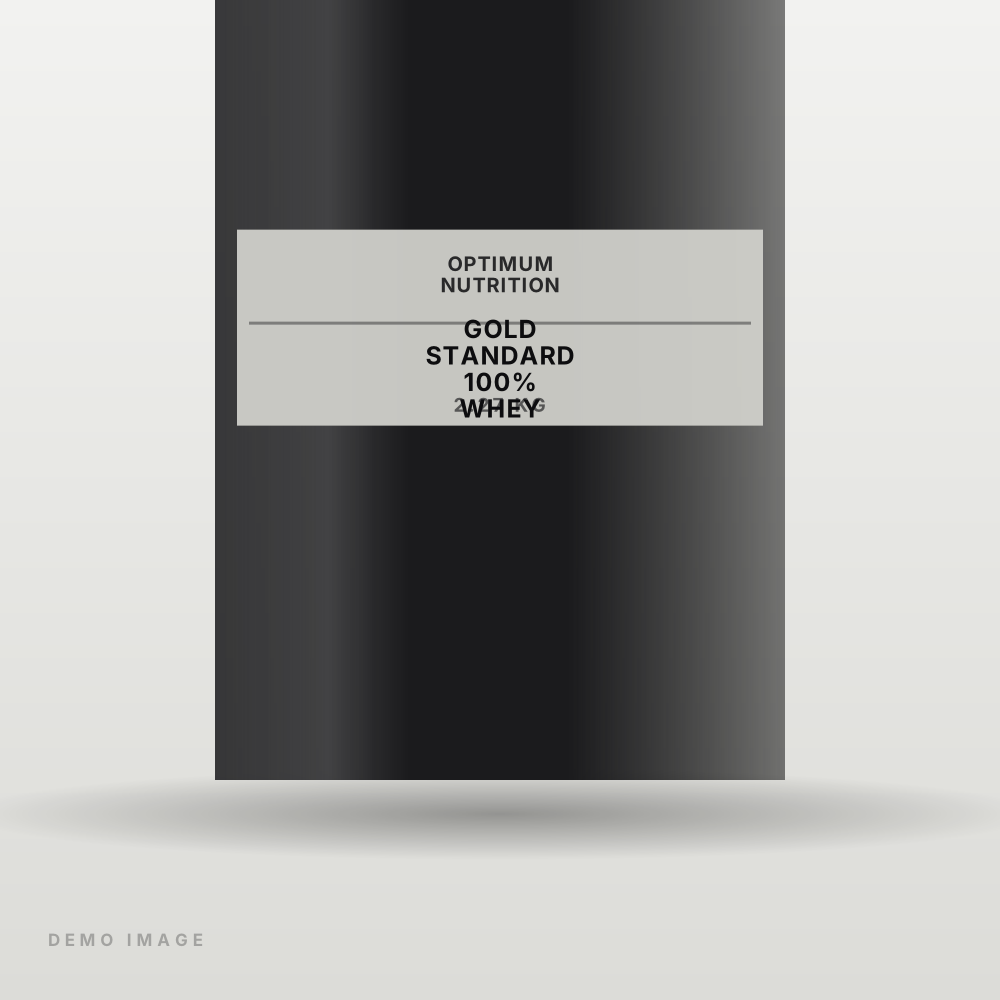
Optimum Nutrition · Whey Protein
Gold Standard 100% Whey
2.27 kg
In stock — order on WhatsApp
Order on WhatsApp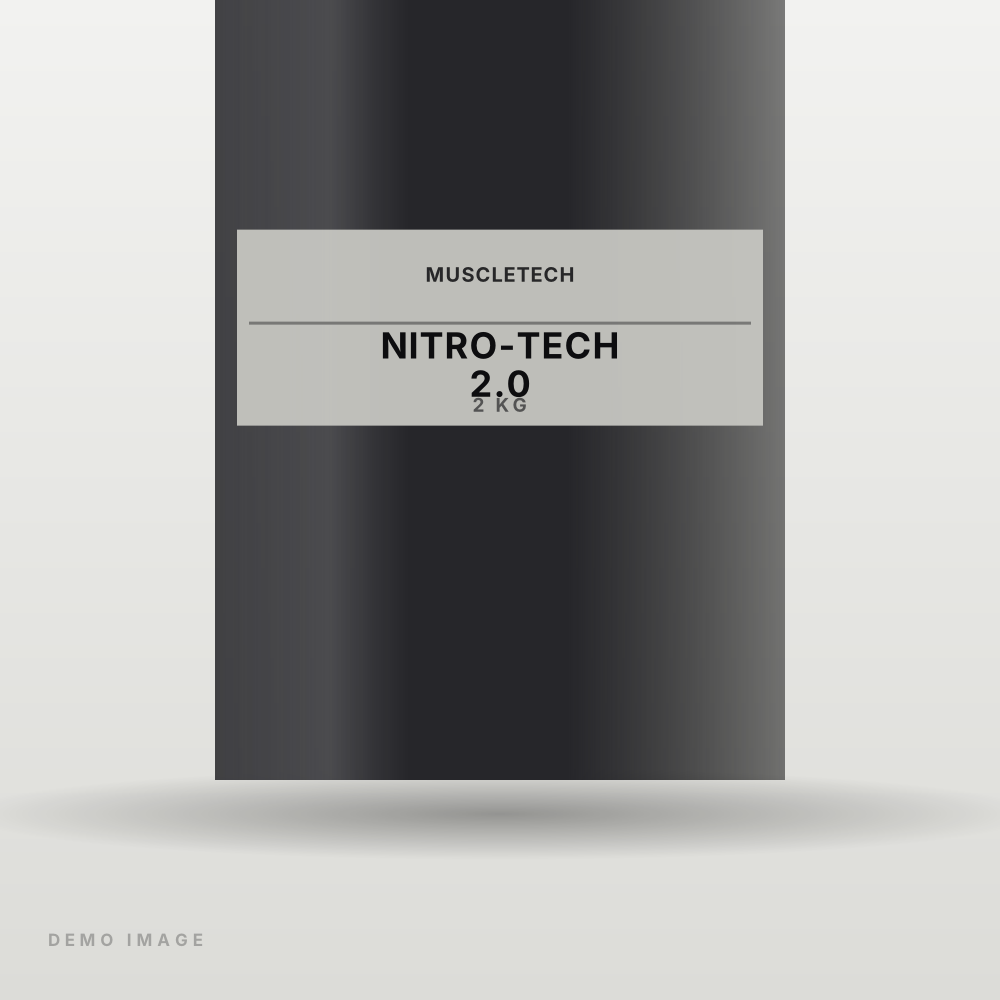
MuscleTech · Whey Protein
Nitro-Tech 2.0
2 kg
In stock — order on WhatsApp
Order on WhatsApp