
Performance 5 min read
How to Take Creatine
Loading versus maintenance, the right daily dose, when to take it and what to expect in the first three weeks.
Published Updated By The Fitness Court

Creatine is the easiest supplement to get right because there is almost nothing to get wrong. One question — loading or not — accounts for most of the confusion, and the honest answer is that loading is a convenience rather than a necessity.
The two protocols
- Loading: 20 g per day, split into four 5 g doses, for 5–7 days. Reaches saturation in about a week.
- Maintenance without loading: 3–5 g every day. Reaches saturation in three to four weeks.
- Both end up in the same place. Loading saves three weeks and is only worth it if you are about to compete or test something.
How much per day
3–5 g daily is the range used in most of the research. Going higher does not saturate the muscle any faster and increases the chance of stomach discomfort. Older body weight guidance sometimes suggested a gram per kilogram of bodyweight; the current evidence does not support needing more than 5 g for most people.
When to take it
Timing is the least important variable. Creatine works by saturating a tissue pool, not by acting acutely, so taking it pre-workout versus post-workout makes little measurable difference. What matters is that you take it every day, including rest days, and that the habit is easy enough to keep.
In practice the most reliable habit is mixing it into something you already drink — your protein shake, your juice, or a glass of water with breakfast.
Mixing it well
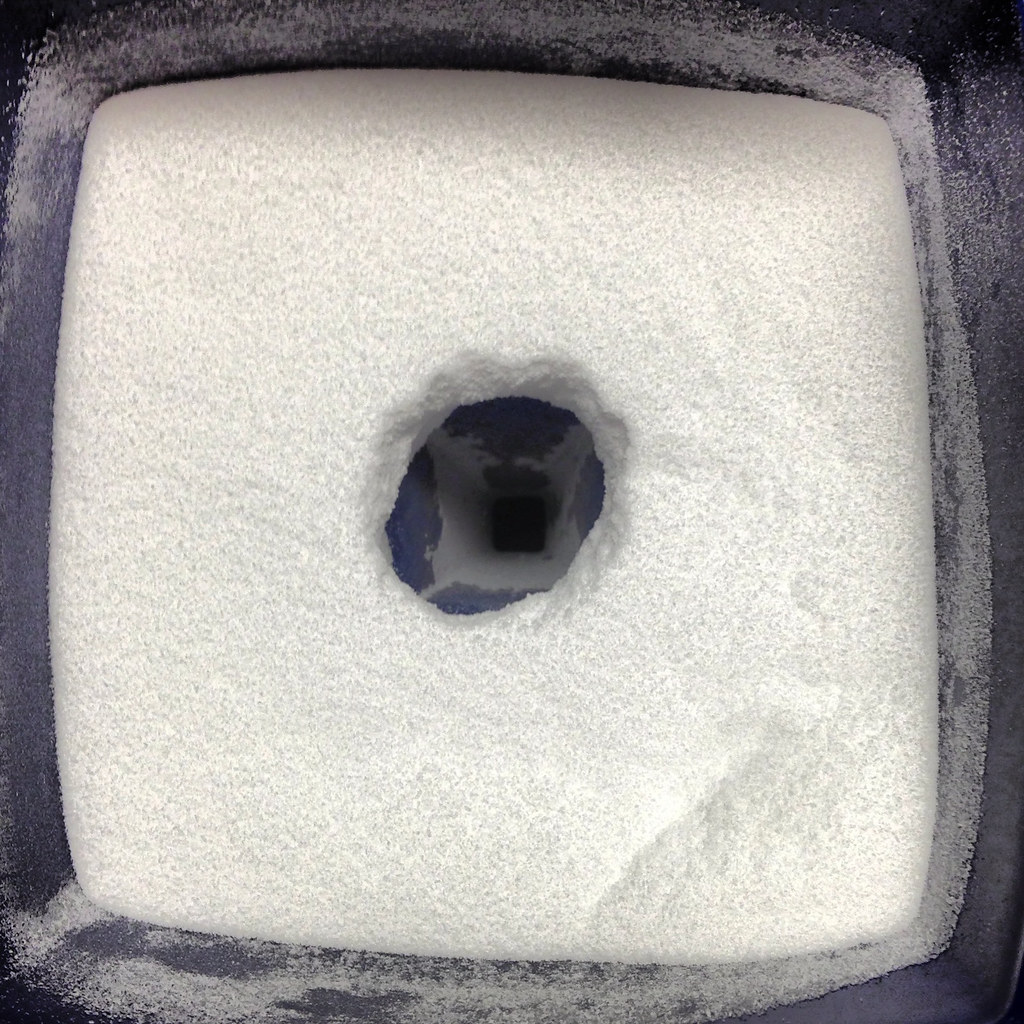
Unflavoured creatine is a fine white powder that mixes clear in water. Warm liquid helps it dissolve, and a shaker bottle with a mixing ball beats a glass. It does not need to be taken immediately after mixing — sitting for a few minutes is fine.
What to expect week by week
Weeks one and two: the scale typically rises one to two kilograms, largely water inside the muscle. Some people feel slightly more fullness through the shoulders and chest. Weeks three and four: strength and repeat-effort performance start to move measurably. Beyond that: it is a background adaptation that stays as long as you keep taking it.
Do you need to cycle it?
No. There is no evidence that stopping periodically is necessary, and no established saturation cycle. Some people stop when they are not training. If you do take a break, muscle creatine stores deplete over roughly four to six weeks, and reloading takes about the same time as it did the first time.
Water and timing around training
Drink normally through the day. Creatine draws water into muscle tissue, and the occasional headaches people report are usually a sign of drinking less water than usual rather than a problem with the supplement itself.
Questions.
Do I need to load creatine?
Should I take creatine on rest days?
Can I take creatine with whey protein?
Does creatine stop working after a while?
Why is my creatine not dissolving?
Shop the range
Creatine
Products mentioned in this guide that we currently stock.
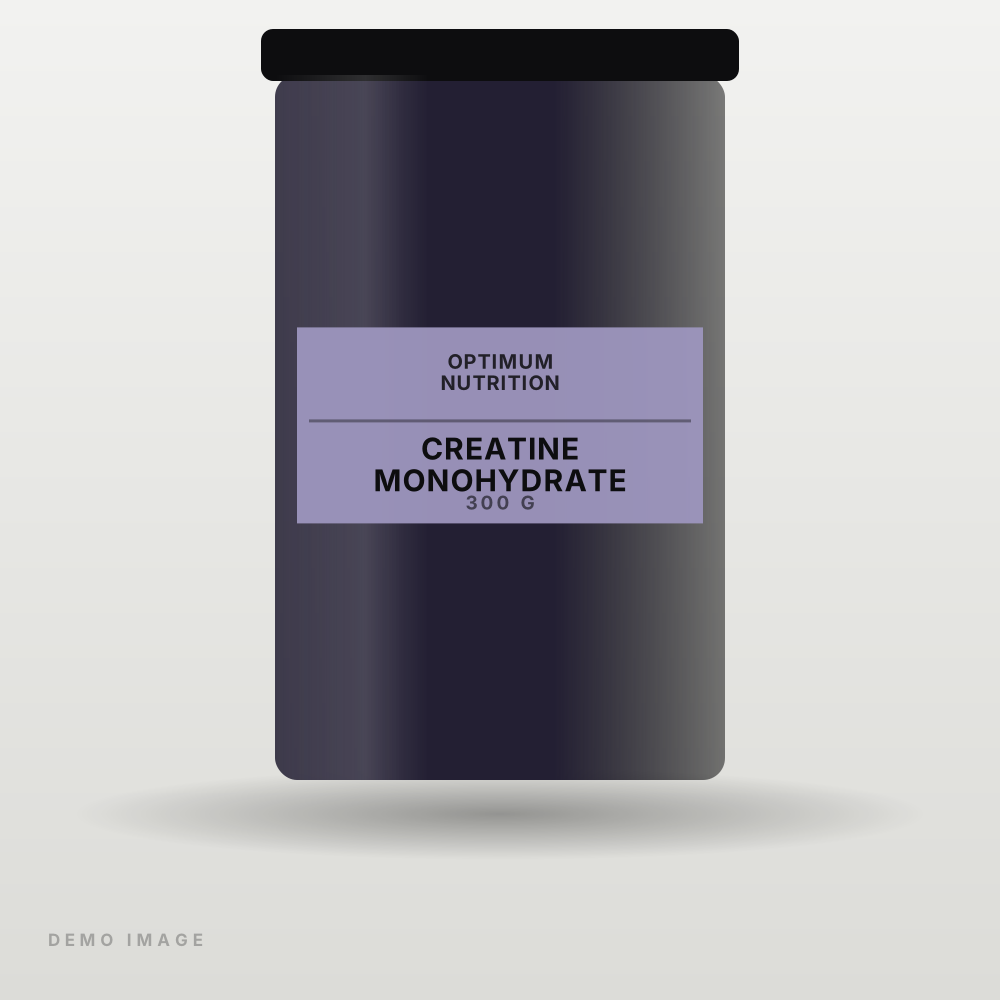
Optimum Nutrition · Creatine
Creatine Monohydrate
300 g
In stock — order on WhatsApp
Order on WhatsApp
MuscleTech · Creatine
Cell-Tech Creatine
300 g
In stock — order on WhatsApp
Order on WhatsApp
Optimum Nutrition · Whey Protein
Gold Standard 100% Whey
2.27 kg
In stock — order on WhatsApp
Order on WhatsApp